From a breadboard module to a Zigbee IO Node
The basic ESP32-C6 IO Node architecture, the limits of the first prototype and decisions still to be tested before sale.
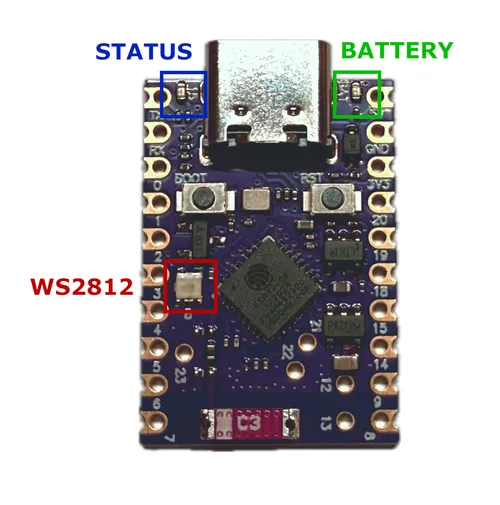
From a breadboard module to a Zigbee IO Node
The first prototype has a simple goal: reliably report the states of eight wired inputs to a Zigbee network. These could be dry contacts, limit switches or outputs from other building systems. The exact electrical interface still needs to be defined for the final board.
Why ESP32-C6
ESP32-C6 gives us Zigbee and Wi-Fi on one platform. In the base mode the device operates as a Zigbee node, while Wi-Fi is used for OTA firmware updates. This lets us fix issues during testing without physical access to USB.
Current software foundation
The current configuration creates eight Zigbee Binary Input endpoints. This tests the main device model before we finalise the enclosure, terminals and input protection.
What is not ready yet
The photo shows a module used during prototyping, rather than a finished product. Wi-Fi and Hybrid modes are being investigated separately and are not part of the promised first-version specification.
The next practical step is to agree on the input circuitry, manufacture a repeatable board revision and test it in a real installation. Pricing, package contents and a Prom.ua listing will follow after that.